What Is Lupus?
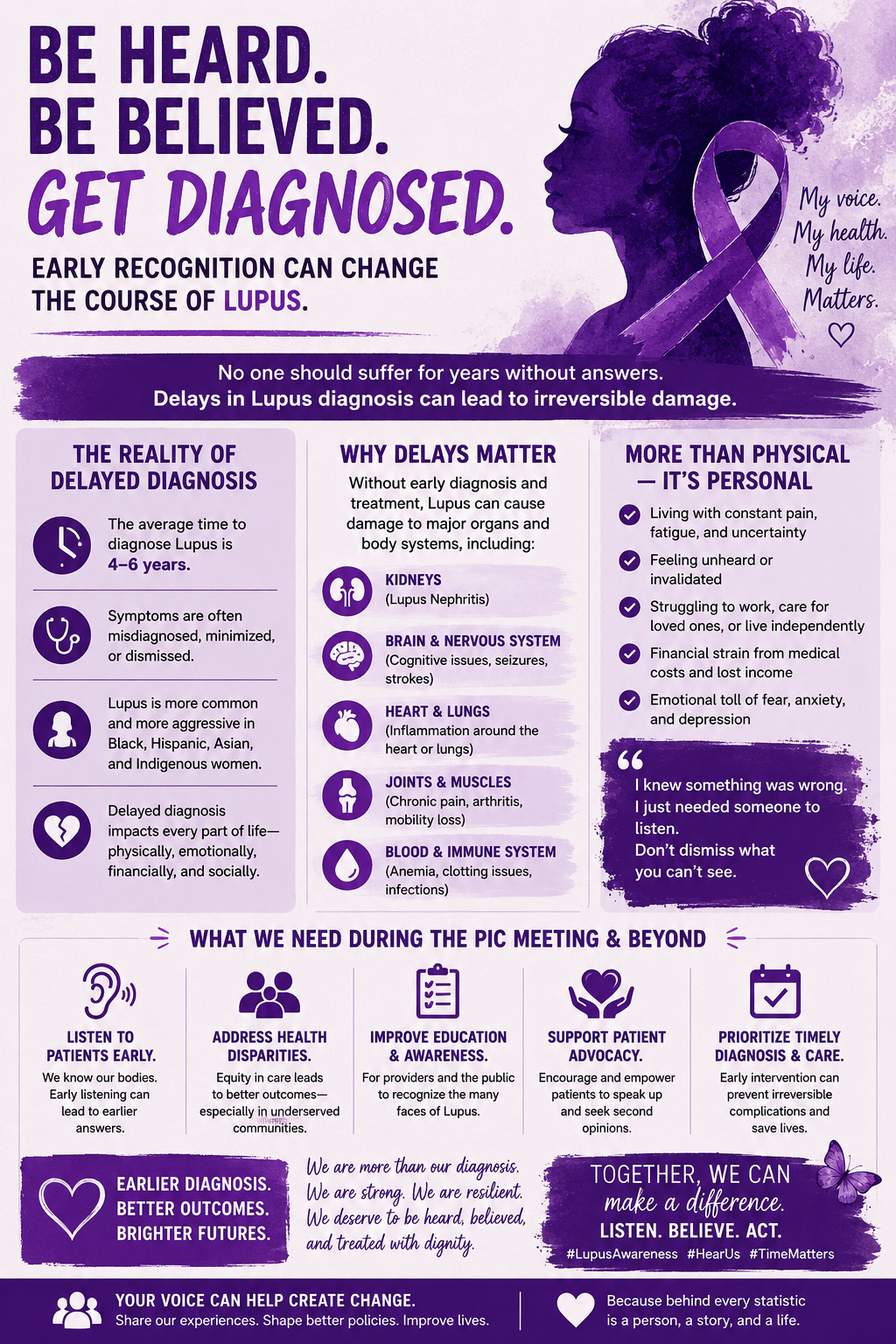
Lupus, formally known as systemic lupus erythematosus (SLE), is a chronic autoimmune disease. In lupus, the body’s immune system becomes overactive and mistakenly attacks healthy tissues and organs. This abnormal immune response can cause inflammation and damage in various parts of the body, including the skin, joints, kidneys, heart, lungs, brain, and blood cells.
The symptoms of lupus can vary widely from person to person, but common signs include joint pain, fatigue, skin rashes (often a butterfly-shaped rash on the face), fever, and photosensitivity (sensitivity to sunlight). The severity of lupus can range from mild to life-threatening, and symptoms often flare up and then improve.
How Many People Does Lupus Affect Worldwide?
Lupus is a relatively rare disease, but it is a significant global health concern. It is estimated that lupus affects approximately 5 million people worldwide. The prevalence of lupus varies by region, ethnicity, and gender, with women—especially those of childbearing age—being at much higher risk than men.
Lupus is more common in certain populations, including people of African, Hispanic, Asian, and Native American descent. While the exact cause of lupus is not fully understood, it is believed that genetic, environmental, and hormonal factors all play a role in its development.
Conclusion
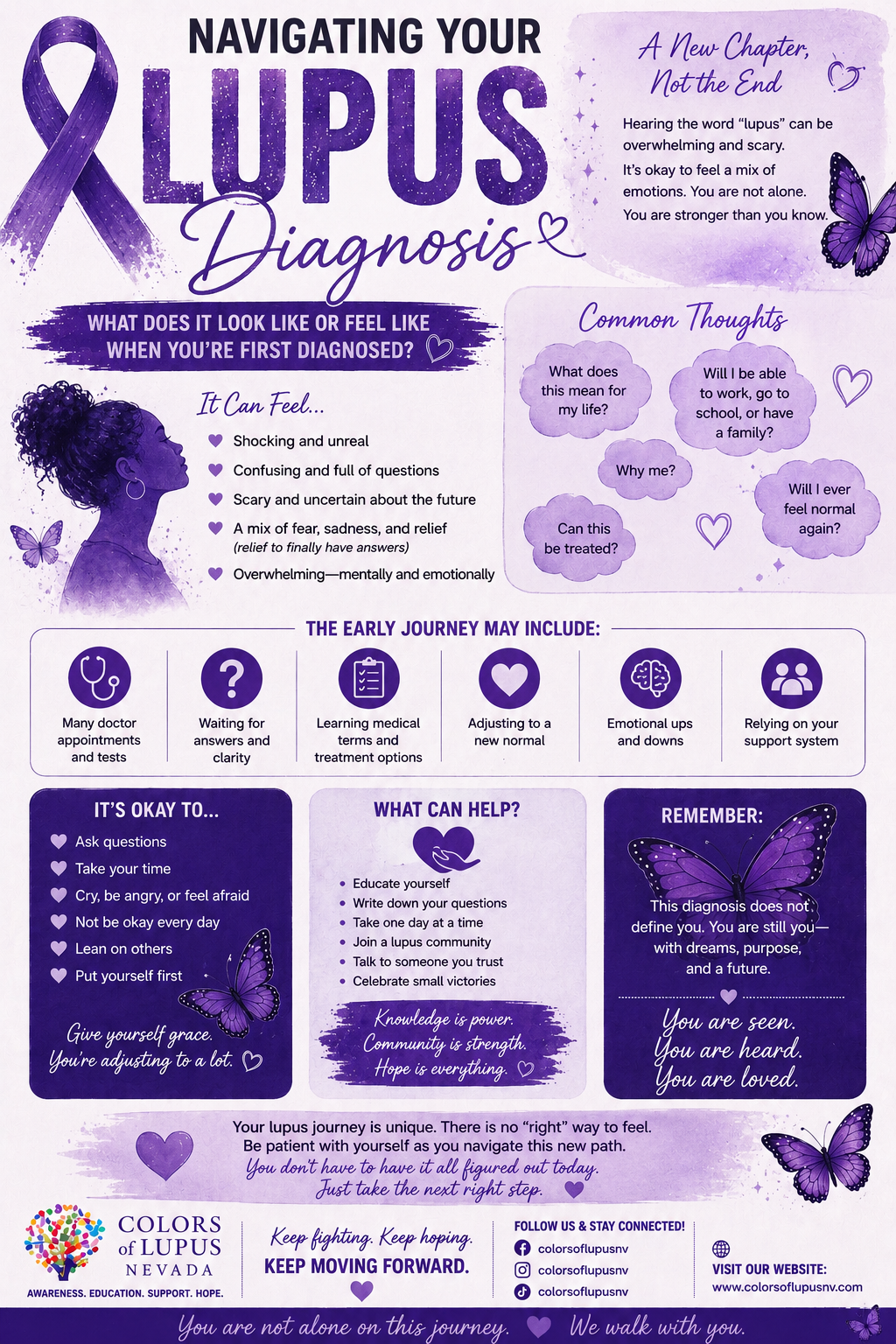
In summary, lupus is a chronic autoimmune disease that can affect many different parts of the body. Though it is relatively rare, it impacts millions of people around the world and requires ongoing medical management to control symptoms and reduce the risk of complications. Many Lupus patients spend years searching for answers before receiving a diagnosis. Some symptoms are often dismissed or misunderstood. If you or someone you love experiences these symptoms, talk to a healthcare provider and continue advocating for answers.
💜 Awareness Saves Lives!